
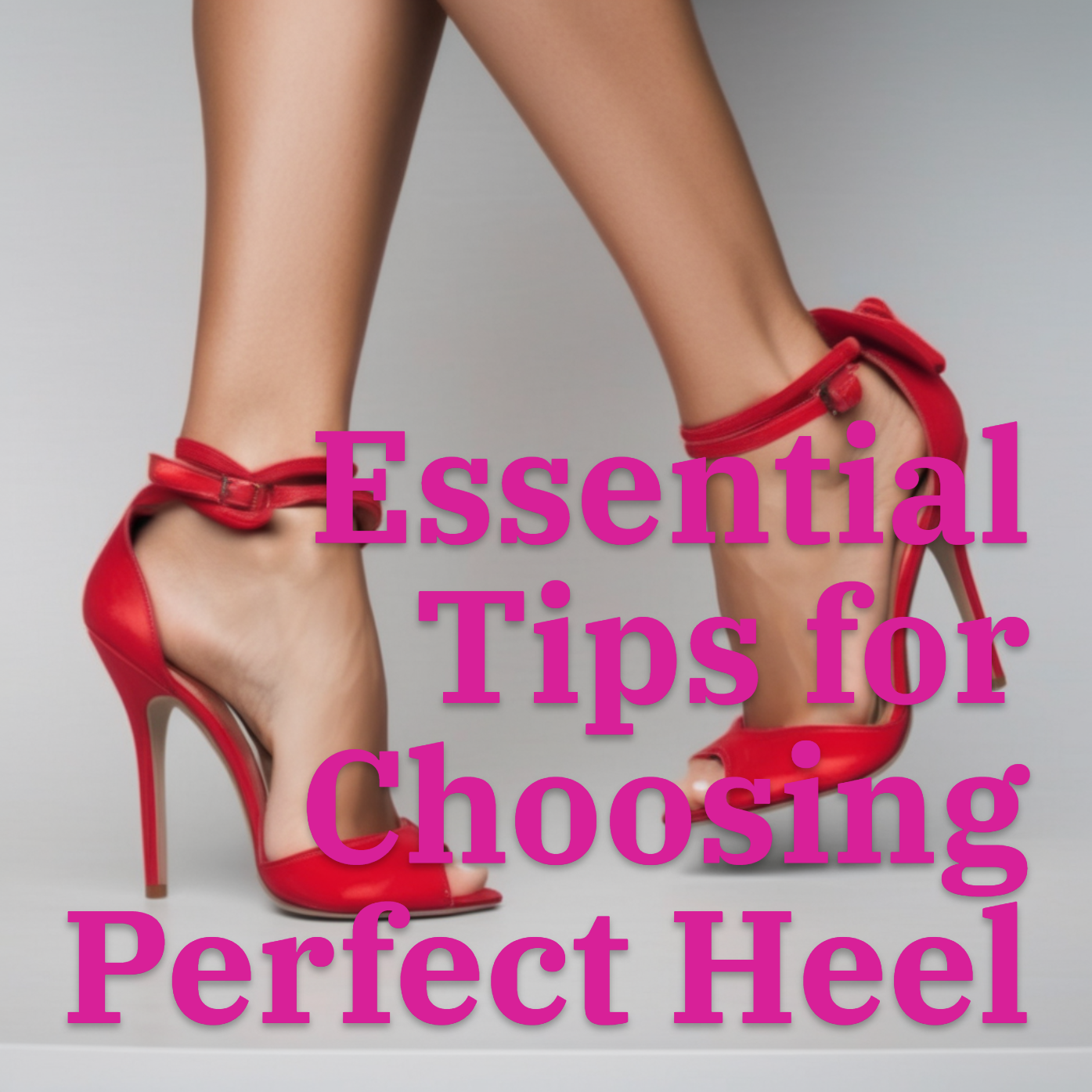
Choosing the right heels is not only about style. It is about support, posture, and long term foot health. Whether you are shopping in a busy retail district in Chicago or visiting a local boutique in Austin, understanding how heels affect your body helps you make smarter decisions.
Start with heel height. If you are new to wearing heels, begin with two to three inches. This height provides lift without placing excessive pressure on the forefoot. Many podiatrists recommend avoiding extremely high heels for daily wear, especially if you commute in cities like New York or San Francisco where walking is frequent.
Next, check arch support. Quality heels should offer cushioning under the ball of the foot and gentle arch contouring. If you live in areas with large shopping centers such as Dallas or Atlanta, visit specialty shoe stores that allow in store fittings. Trying heels on at the end of the day, when your feet are slightly swollen, ensures a more accurate fit.
Material matters. Genuine leather molds to your foot over time, while synthetic materials may feel stiffer. In humid regions like Miami or Orlando, breathable lining helps prevent discomfort. In colder climates such as Boston or Denver, look for closed toe heels with insulating features during winter months.
Pay attention to heel base width. Block heels provide more balance than thin stilettos. For professionals who stand for long hours, such as teachers or event coordinators, stability reduces ankle strain.
Finally, test your walking stride before purchasing. Walk on different surfaces inside the store to check balance. Search for heels near me to compare local retailers with strong customer reviews about comfort and durability.
Making informed choices helps protect your feet while maintaining elegance and confidence.
Read more: Elegant and Effortless: Styling High Heels With Your Everyday Outfits


Write a comment ...